
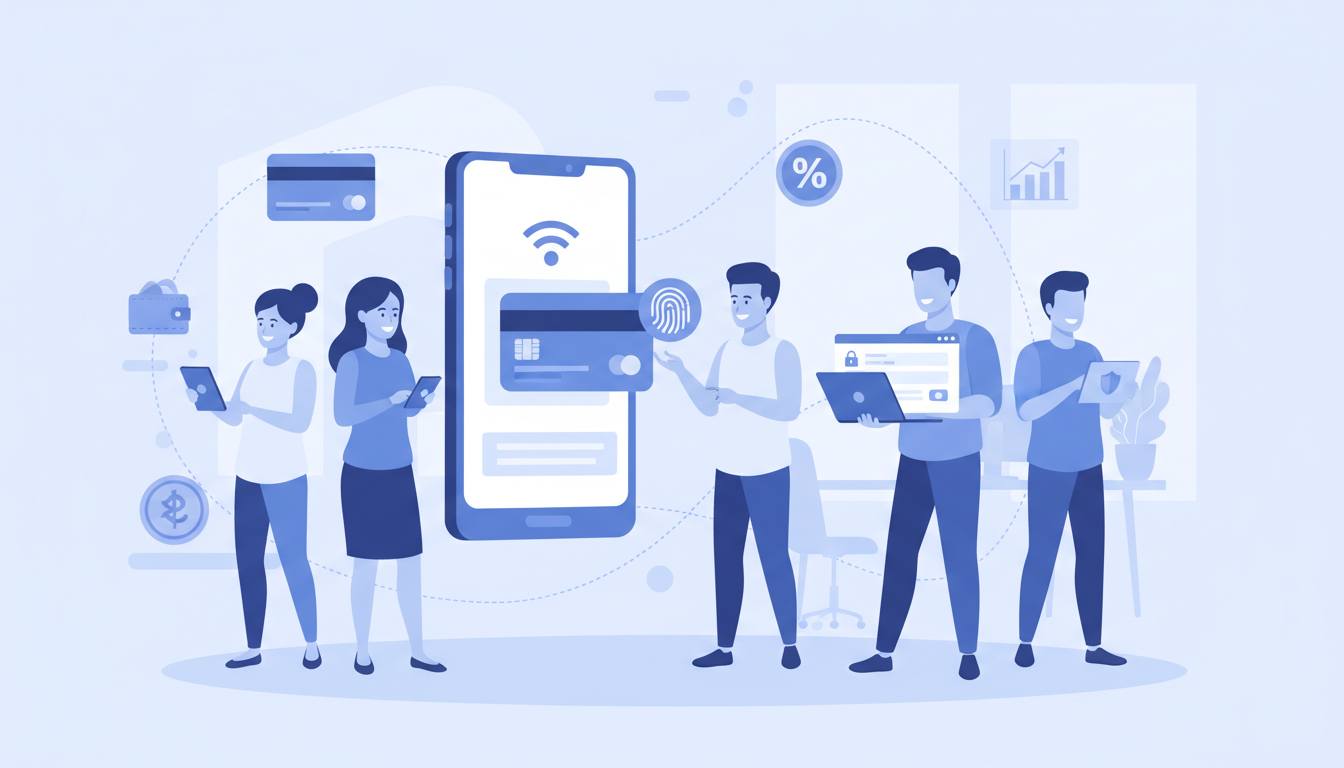
When used responsibly, the primary benefits of credit card services include the ability to build a strong credit history, access interest-free short-term loans, and earn valuable rewards like cashback or travel miles. Beyond simple transactions, credit cards provide superior fraud protection compared to debit cards, offer a financial safety net for emergencies, and come with hidden perks like purchase insurance and extended warranties.
Think of a credit card not just as a piece of plastic, but as a strategic financial tool. If you pay your balance in full every month, you are essentially using the bank’s money for free while racking up points that can pay for your next vacation. In this guide, we’ll dive deep into why credit card services are a cornerstone of modern financial health and how you can make them work for you.
1. Building a Foundation for Your Future: Credit Scoring
Perhaps the most significant long-term benefit of credit card services is the impact on your credit score. Every time you use your card and pay the bill on time, the issuer reports this positive behavior to credit bureaus.
-
Why it matters: A high credit score is your “financial passport.” It’s what lenders look at when you want to buy a car or apply for a mortgage.
-
The 2026 Perspective: In today’s economy, even landlords and some employers check credit scores. By using a credit card for small, regular purchases and paying them off immediately, you prove you are a reliable borrower.
2. Earning While You Spend: Rewards and Cashback
Why pay with cash when you can get paid to shop? Most modern credit card services include a rewards program.
-
Cashback: Some cards offer a flat percentage (usually 1% to 2%) back on every purchase. Others give higher percentages for specific categories like groceries, gas, or dining.
-
Travel Perks: If you’re a frequent flyer, travel cards allow you to accumulate miles. By 2026, many premium cards also offer “lifestyle” credits for streaming services, ride-sharing, and airport lounge access.
-
Sign-up Bonuses: Many banks offer “welcome bonuses” where you can earn hundreds of dollars in value just by meeting a minimum spending requirement in the first few months.
3. The Ultimate Safety Net: Fraud Protection
One of the scariest things about a debit card is that if someone steals your info, they are stealing your actual cash directly from your bank account. With credit cards, the dynamic changes entirely.
Pro Tip: When you dispute a fraudulent charge on a credit card, the money hasn’t actually left your bank account yet. The card issuer handles the investigation while you keep your cash.
Most major issuers now offer Zero Liability policies. This means if your card is lost, stolen, or used for an unauthorized online purchase, you aren’t held responsible for the bill. In a world where digital “skimming” and e-commerce breaches are common, this layer of security is priceless.
4. Financial Flexibility and Interest-Free Windows
Credit cards offer a grace period—typically between 21 and 25 days—between the end of your billing cycle and your payment due date.
If you spend $100 on the first day of your billing cycle, you might not actually have to pay for that item for nearly 50 days. This allows you to:
-
Manage Cash Flow: Align your spending with your payday.
-
Emergency Buffer: If your car breaks down a week before your bonus arrives, the credit card bridges that gap without you needing to dip into high-interest payday loans.
5. Hidden “Elite” Perks You Might Be Missing
Most people know about points, but few realize the “concierge” style benefits that come with many credit card services. Depending on your card tier, you might already have:
-
Purchase Protection: If you buy a new phone and drop it a week later, some cards will reimburse the repair or replacement cost.
-
Extended Warranties: Many cards automatically add an extra year to a manufacturer’s warranty on electronics.
-
Travel Insurance: This can include coverage for delayed luggage, trip cancellation, and even secondary rental car insurance.
Comparison: Credit Card vs. Debit Card
| Feature | Credit Card | Debit Card |
| Spending Source | Bank’s Money (Line of Credit) | Your Money (Bank Account) |
| Credit Building | Yes, builds history | No |
| Fraud Liability | High (Zero Liability) | Moderate (Funds tied up during info) |
| Rewards | Extensive (Points/Cashback) | Rare/Minimal |
| Interest | 0% if paid in full | N/A |
6. Responsible Habits: How to Maximize the Benefits
To truly enjoy the benefits of credit card services without falling into the “debt trap,” follow these three golden rules:
-
Pay in Full: Never treat your credit limit as “extra money.” Only spend what you can afford to pay back at the end of the month.
-
Monitor Your Utilization: Try to use less than 30% of your total credit limit. If your limit is $1,000, try to keep your balance under $300. This keeps your credit score healthy.
-
Set Alerts: Use your bank’s mobile app to set “Large Purchase” or “Low Balance” alerts. This helps you catch fraud instantly and stay on top of your budget.
Summary: Is a Credit Card Right for You?
The benefits of credit card services far outweigh the risks for anyone disciplined enough to track their spending. From the peace of mind offered by fraud protection to the thousands of dollars in travel rewards you can earn over a lifetime, it is one of the most powerful tools in your financial toolkit.
By 2026, credit cards have evolved into comprehensive financial management systems, offering real-time spending insights and AI-driven fraud detection. If you haven’t reviewed your card’s benefits lately, you might be leaving money on the table.