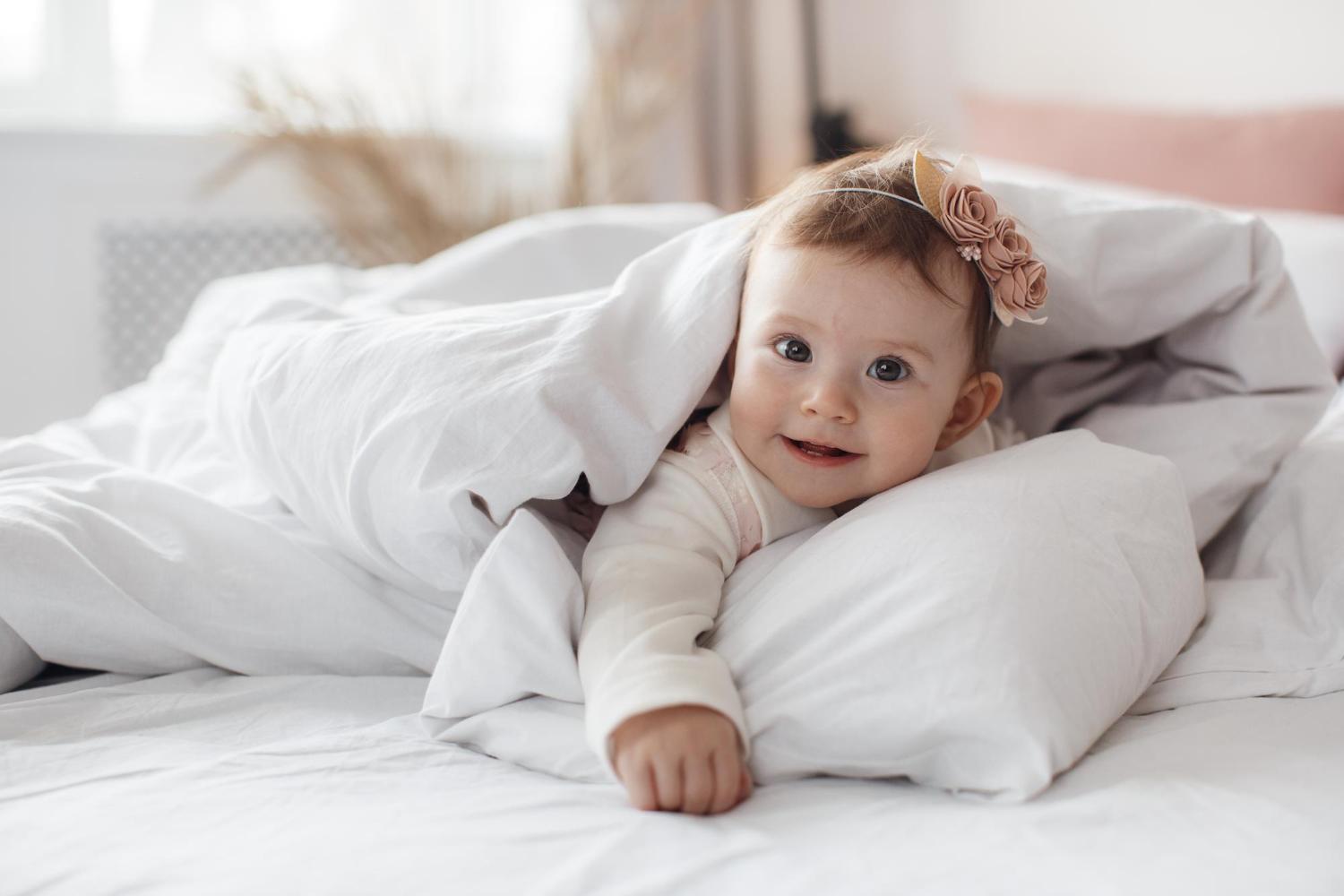
Reflectively, the baby blanket occupies an interesting place in the landscape of baby products. It’s almost universally given as a gift. It’s also one of the most genuinely useful items in the early months — and one that’s frequently received in materials or sizes that limit its practical usefulness without the giver quite realising it.
The distinction between a blanket that gets used constantly and one that sits folded in a drawer comes down to a few practical factors: size, material, weight, and washability. These aren’t romantic considerations, but they determine what a baby blanket is actually worth in daily use.
Size affects function significantly. A swaddling blanket needs to be large enough to wrap a newborn securely and still have meaningful overlap — typically at least 100cm square. A blanket used for warming in a pram or on a change table can be smaller. A play mat blanket benefits from being larger again. Most gifted blankets land somewhere in the middle and do nothing particularly well.
What Materials Work Best at Different Ages?
This depends on use. For newborns, warmth and softness without excessive weight are the priorities. Merino wool is genuinely excellent for this — it regulates temperature, is soft against sensitive skin, and manages moisture better than synthetics. Cotton muslin is the standard for swaddling because it’s breathable, gets softer with washing, and works in warm weather without overheating a baby.
Synthetic fleece and acrylic blankets are common gifts. They’re soft initially but don’t breathe, which makes them less suitable for newborn use and less comfortable for babies who run warm. They’re fine for pram layers in cooler weather but shouldn’t be used for swaddling.
How Many Baby Blankets Does Anyone Actually Need?
More than they think, but for different purposes. Two or three quality muslin swaddles for newborn use. One or two warmer options for cooler months. A couple of lighter options for warmer weather or indoor use. Having enough to rotate through washing without running short is the practical minimum.
What About Emotional Attachment Objects?
The baby blanket that becomes a comfort object — a “blankie” — is often not the most expensive or thoughtfully selected one. It’s usually whichever one the baby happened to bond with early. Having two identical versions of that blanket, if you can identify it early enough, is a practical strategy that parents of older children will tell you in retrospect they wish they’d done.
What to Look for When Buying
Natural fibres, appropriate weight for the season, large enough to actually function for the intended purpose, and machine washable on a warm cycle without degrading. Everything else is preference.